
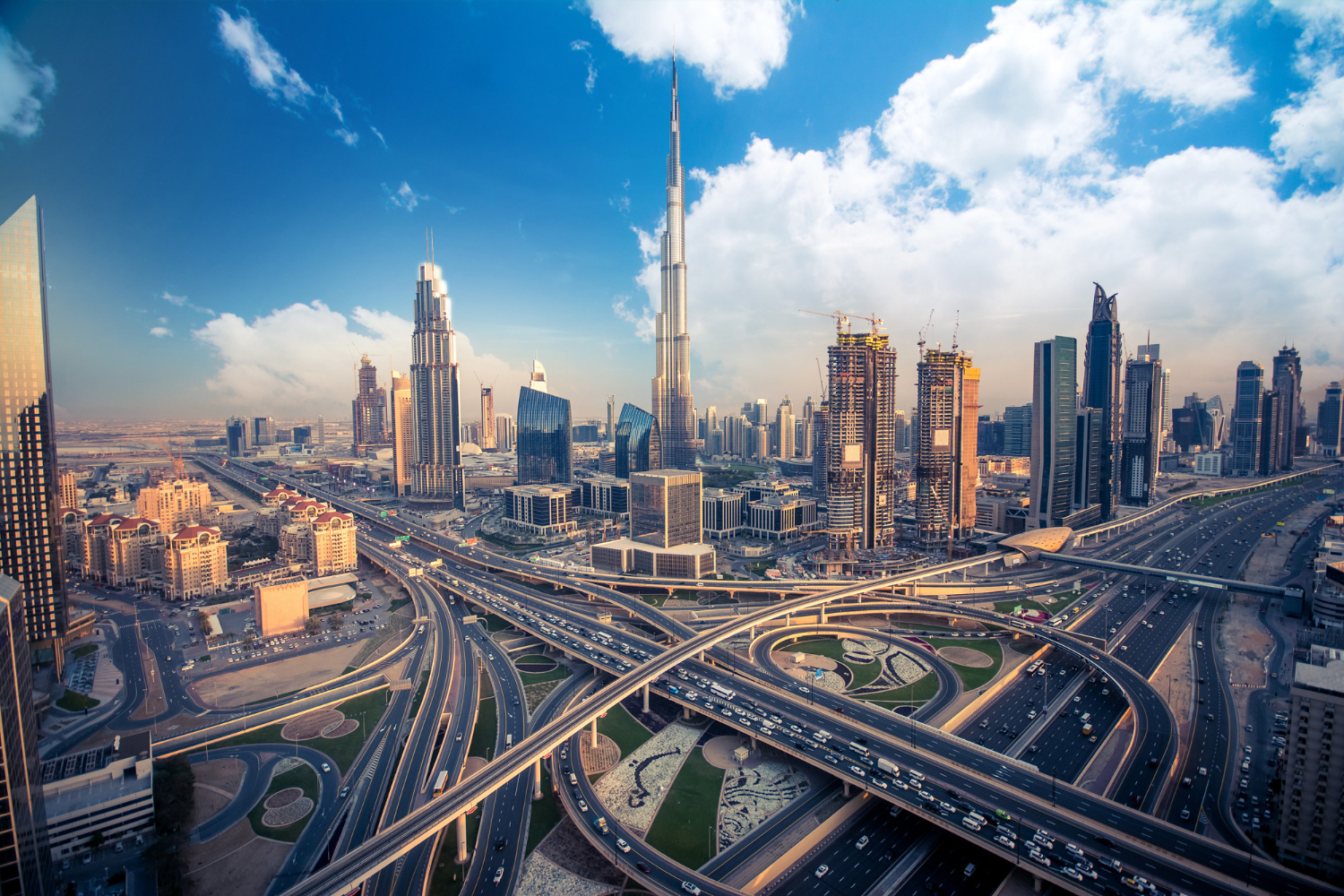
Price Projections: “Pacing, Not Racing”
Most analysts expect a “soft landing” rather than a crash.
Overall Growth: Residential prices are forecasted to rise by a modest 3.5% to 5.2% in 2026. This is a significant cooling from the double-digit surges of 2021–2024.
Segment Divergence:
Prime/Luxury: Areas like Palm Jumeirah and Dubai Hills are expected to remain resilient, with growth potentially reaching 8–15% due to scarcity.
Mid-Tier/Mass Market: These areas may see flat pricing or mild corrections (5–15%) as they absorb the bulk of new handovers.

The Supply Wave
2026 is set to be a record year for handovers, which will fundamentally change market dynamics:
Volume: Reports suggest roughly 120,000 new units are scheduled for delivery. However, “realistic” completions (accounting for typical construction delays) are estimated closer to 35,000–60,000 units.
Impact on Rent: For the first time in years, tenants may see slight rental declines or stabilization. The increased supply will likely end the era of aggressive rent hikes, providing more bargaining power to residents.
Key Emerging Trends for 2026
Villas Over Apartments: The shortage of landed property continues. Villas and townhouses are expected to outperform apartments in both value retention and rental demand.
End-User Dominance: The market is shifting from speculative “flipping” to long-term residency, supported by the Golden Visa and a growing expatriate population seeking stability.
Sustainability & PropTech: New 2026 handovers will likely feature smarter home technology and “green” certifications, as developers compete to attract more discerning global investors.
Mega-Projects Maturity: Watch for increased activity around Dubai South (near Al Maktoum Airport), Palm Jebel Ali, and Dubai Creek Harbour, which will be key focal points for growth.

Join The Discussion